
Gorkha District, located in Nepal’s Gandaki Province, is one of the most historically significant and geographically diverse districts of the country. Known as the birthplace of King Prithvi Narayan Shah—the unifier of modern Nepal—Gorkha holds a special place in Nepalese identity and heritage. The district is also famously associated with the brave Gorkha (Gurkha) soldiers, whose reputation for courage has earned worldwide respect.
Covering an area of 3,610 square kilometers, Gorkha is Nepal’s fourth-largest district by size. It stretches from subtropical river valleys in the south to some of the highest Himalayan peaks in the north, including Mount Manaslu (8,163 meters), the eighth-highest mountain in the world. This extraordinary range of landscapes, combined with cultural richness and spiritual landmarks, makes Gorkha a remarkable destination for travelers, historians, and nature lovers alike.
Historical Significance of Gorkha
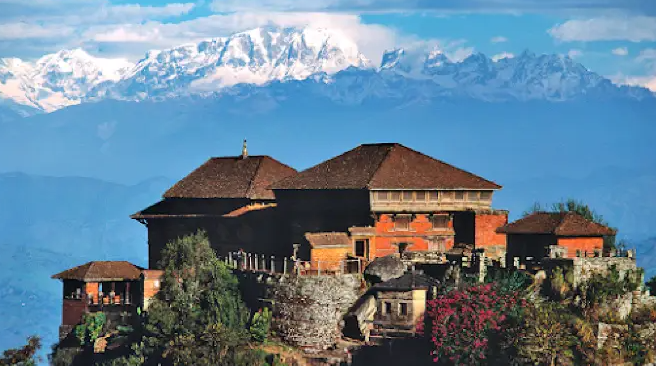
Gorkha is inseparably linked with the formation of the modern Nepali state. It was from the small Gorkha Kingdom that King Prithvi Narayan Shah launched his unification campaign in the 18th century. From his ancestral palace, now known as Gorkha Durbar, he led military and diplomatic efforts that eventually united dozens of independent principalities into one nation.
The district also gave its name to the legendary Gorkha soldiers, later called Gurkhas by the British. Recruited into the British and Indian armies, Gurkhas became globally renowned for their loyalty, discipline, and battlefield bravery. Even today, thousands of soldiers from Gorkha continue to serve in international military forces.
Religious history is equally important. The district is associated with the saint Gorakhnath, after whom Gorkha is believed to be named. Sacred sites such as Gorakhnath Cave, Gorakh Kali Temple, and Manakamana Temple reinforce Gorkha’s spiritual importance.
Geography, Climate, and Natural Environment
Gorkha District features an extraordinary variety of terrain and climate zones. Elevations range from below 300 meters in river basins to over 8,000 meters in the high Himalayas. As a result, the district contains tropical, subtropical, temperate, subalpine, alpine, nival, and trans-Himalayan climatic zones.
Major rivers flowing through the district include the Budhi Gandaki, Marsyangdi, Daraudi, Chepe, and Trishuli, which support agriculture, hydropower potential, and biodiversity. Forests cover large portions of the district, providing habitat for wildlife such as leopards, deer, langurs, and numerous bird species.
The northern part of Gorkha is dominated by towering mountain ranges, including:
- Manaslu (8,163 m)
- Himalchuli (7,895 m)
- Ngadi Chuli (7,871 m)
- Ganesh Himal (7,422 m)
- Shringi Himal
These landscapes make Gorkha a premier destination for trekking, mountaineering, and eco-tourism.
People, Culture, and Languages
Gorkha is home to a diverse mix of ethnic communities. The largest groups include Gurung, Magar, Bahun, Chhetri, Newar, Tamang, Ghale, and Kumal, along with smaller populations of Tibetan-origin groups in the high Himalayas. Hill Janajati communities form nearly half of the district’s population.
Nepali is the dominant language, spoken by about two-thirds of residents, while Gurung, Magar, Tamang, Ghale, Nubri, and Nepal Bhasha are also widely used. This linguistic diversity reflects the district’s rich cultural mosaic.
Most people practice Hinduism, followed by Buddhism, with smaller communities of Christians, Bon followers, Muslims, and Kirat adherents. Festivals such as Dashain, Tihar, Losar, Buddha Jayanti, and Maghe Sankranti are celebrated with enthusiasm, showcasing traditional music, dance, and rituals.
Agriculture remains the backbone of the local economy, supplemented by foreign employment, tourism, and small-scale trade.
Major Attractions and Tourism Highlights
Gorkha District offers a blend of heritage sites, pilgrimage centers, and adventure tourism opportunities.
Gorkha Durbar (Gorkha Palace)
Perched atop a hill overlooking Gorkha Bazaar, this historic palace-fortress complex is the birthplace of King Prithvi Narayan Shah. The complex also houses the sacred Gorkha Kalika Temple and offers panoramic views of the surrounding valleys.
Manakamana Temple
One of Nepal’s most important Hindu pilgrimage sites, Manakamana Temple is dedicated to the wish-fulfilling goddess Bhagwati. A cable car system connects the temple to the highway, providing scenic views along the ride.
Manaslu Circuit Trek
This world-renowned trekking route circles Mount Manaslu and passes through remote villages, deep gorges, suspension bridges, and high mountain passes. It is considered one of Nepal’s best alternatives to the Annapurna and Everest regions.
Tsum Valley and Nubri Valley
These culturally rich valleys near the Tibetan border preserve ancient Buddhist traditions, monasteries, and a unique way of life.
Gorkha District is far more than a historical landmark; it is a living blend of heritage, culture, and natural grandeur. From the palace where modern Nepal was born to the towering heights of Manaslu, Gorkha represents the soul of Nepal in its truest form. Whether you seek spiritual fulfillment, cultural discovery, or high-altitude adventure, Gorkha District offers an unforgettable journey into the heart of the Himalayas.